Research Overview

Situated at the intersection of several disciplines, the Organizational Leadership and Diversity Group explores how organizations and leaders can use artificial intelligence (AI) ethically and responsibly in the workplace. Employing a range of research methodologies, such as qualitative methods, human subject experiments, surveys, mixed-method designs, natural language processing, and agent-based simulations, we focus on four key research directions.
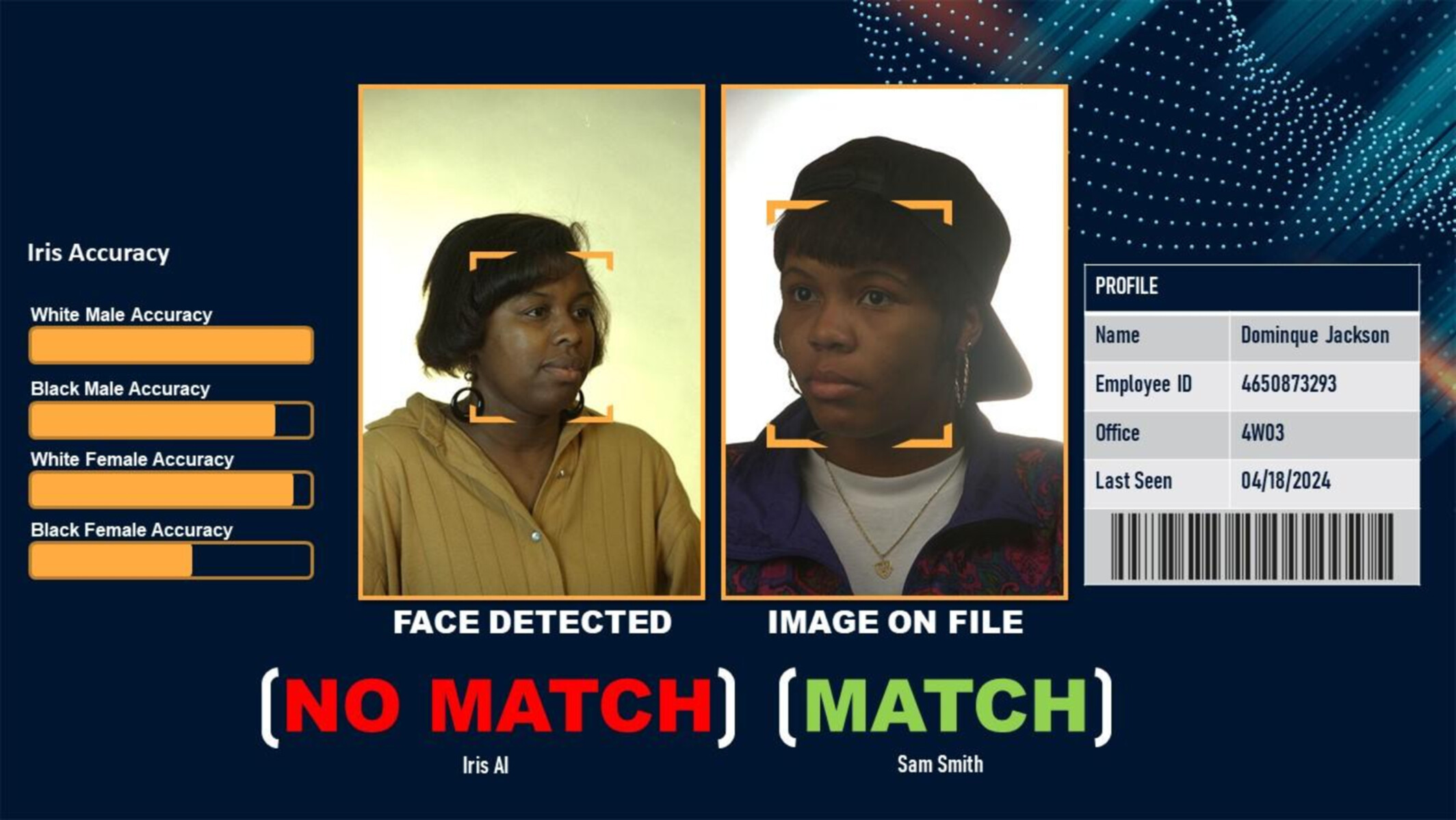
The first direction examines how to design and optimize human-AI teams for effective collaboration. We investigate factors that drive AI convergence, particularly when human team members accept the advice of AI, and identify the conditions that foster successful human-AI interactions. Our goal is to develop strategies that enhance performance within mixed human-AI teams. The second direction explores how technology can be used to foster inclusive environments within organizations. We develop and evaluate tools, such as chatbots, that help leaders implement inclusive practices in day-to-day team management. These tools aim to reduce bias and support equitable decision-making processes in hiring, promotion, and other team processes.
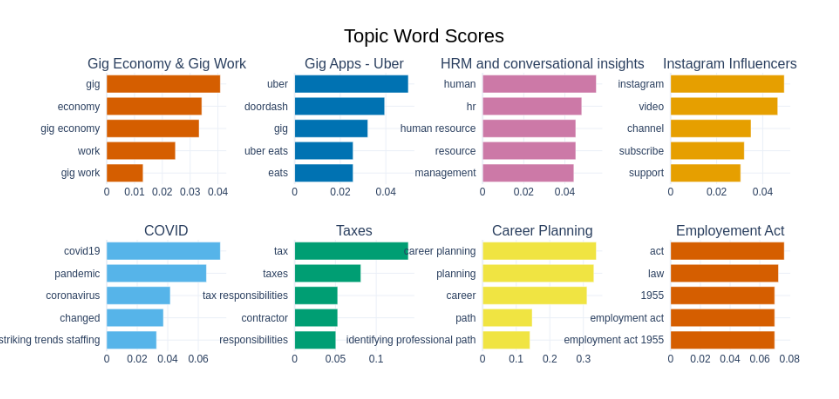
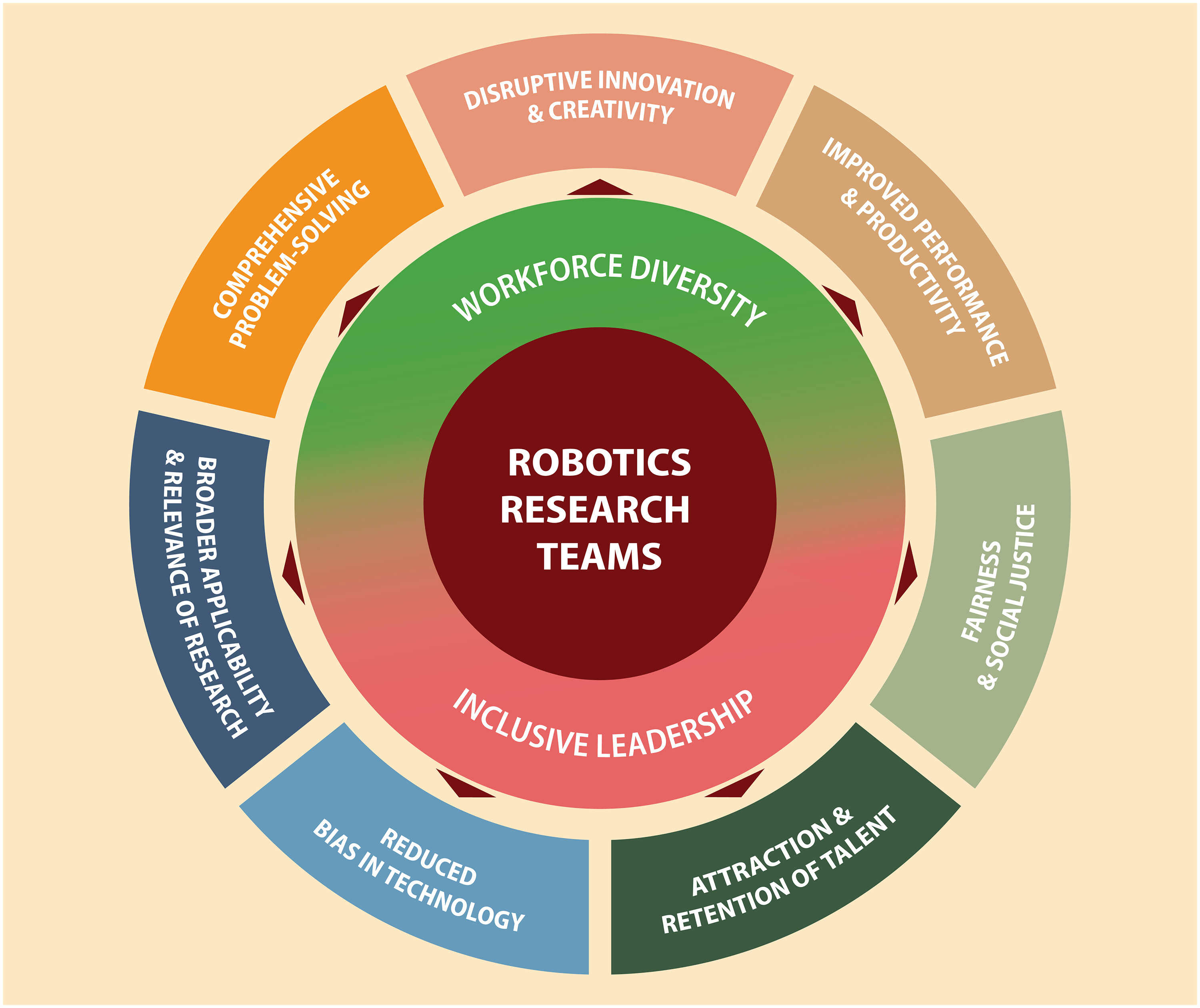
The third area of research focuses on how AI and other technological advancements are reshaping leadership roles and behaviors. We examine how technology influences leaders’ decision-making, communication, and emotional intelligence, as well as how leaders adapt to and integrate new technological tools in their organizations. This research aims to better understand how technology is changing the nature of leadership and the skills required to manage in an increasingly tech-driven environment. Finally, we investigate the role of technology in gig work, which refers to short-term, flexible jobs often facilitated by digital platforms. We explore how technology impacts gig workers’ mental health, autonomy, and overall experiences.
Research Fields & Projects
Human-Computer Interaction
Technology and Inclusion

Leadership
Technology and Gig Work